 Distortion
Distortion Guitar Pedals: The Complete Guide
Distortion pedals use hard clipping to create a more aggressive, saturated tone than overdrive. They provide consistent gain regardless of picking dynamics, making them ideal for rock, punk, and metal. The tone is more compressed and sustaining than overdrive.
Quick Comparison
| Pedal | Brand | Price | Rating | |
|---|---|---|---|---|
| Boss DS-1 Distortion | Boss | $62 | ★★★★★4.6 | Amazon → |
| ProCo RAT2 Distortion | ProCo | $79 | ★★★★★4.7 | Amazon → |
| Boss MT-2 Metal Zone | Boss | $109 | ★★★★☆4.4 | Amazon → |
| MXR Distortion+ | MXR | $89 | ★★★★★4.5 | Amazon → |
| Friedman BE-OD | Friedman | $189 | ★★★★★4.8 | Amazon → |
| TC Electronic Dark Matter | TC Electronic | $49 | ★★★★☆4.4 | Amazon → |
| Boss DS-2 Turbo Distortion | Boss | $110 | ★★★★★4.7 | Amazon → |
In-Depth Reviews
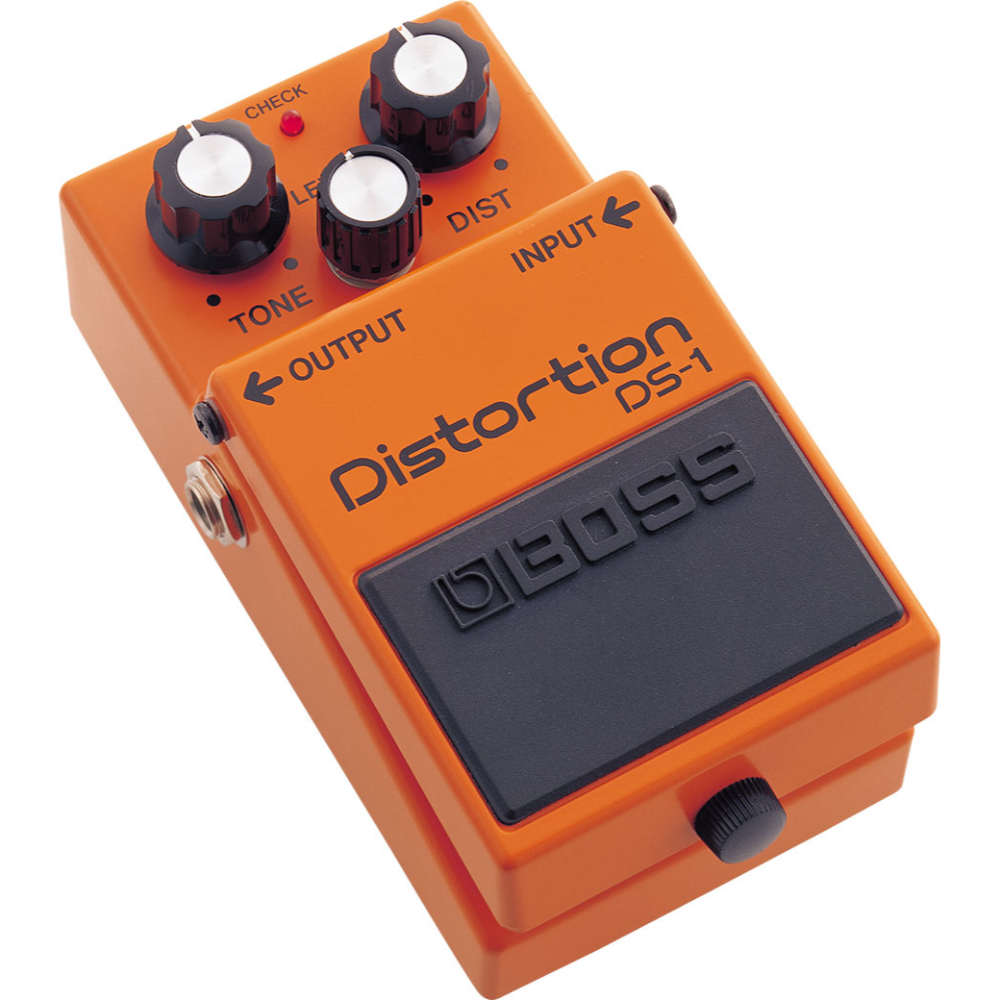
$62
The Boss DS-1 has been the go-to distortion pedal since 1978. Used by Kurt Cobain, Steve Vai, and countless others, it delivers everything from mild grit to full-on distortion.
Pros
- ✓Incredibly affordable
- ✓Versatile distortion range
- ✓Legendary status
- ✓Reliable Boss build
Cons
- ✗Can sound fizzy at extreme settings
- ✗Some find it too bright

$79
The RAT is a desert-island distortion pedal. Its unique filter control lets you shape the tone from bright and cutting to dark and fuzzy, covering an enormous range of gain textures.
Pros
- ✓Incredibly versatile
- ✓Works as overdrive, distortion, or fuzz
- ✓Unique filter control
- ✓Classic rock tone
Cons
- ✗Noisy at high gain
- ✗Enclosure feels dated

$109
The Metal Zone is the most divisive pedal ever made — and one of the best-selling. Its parametric EQ and extreme gain make it a metal machine when dialed in correctly.
Pros
- ✓Extreme gain on tap
- ✓Parametric mid EQ
- ✓Great for scooped metal tones
- ✓Affordable
Cons
- ✗Easy to dial in bad tones
- ✗Fizzy if not EQ'd carefully
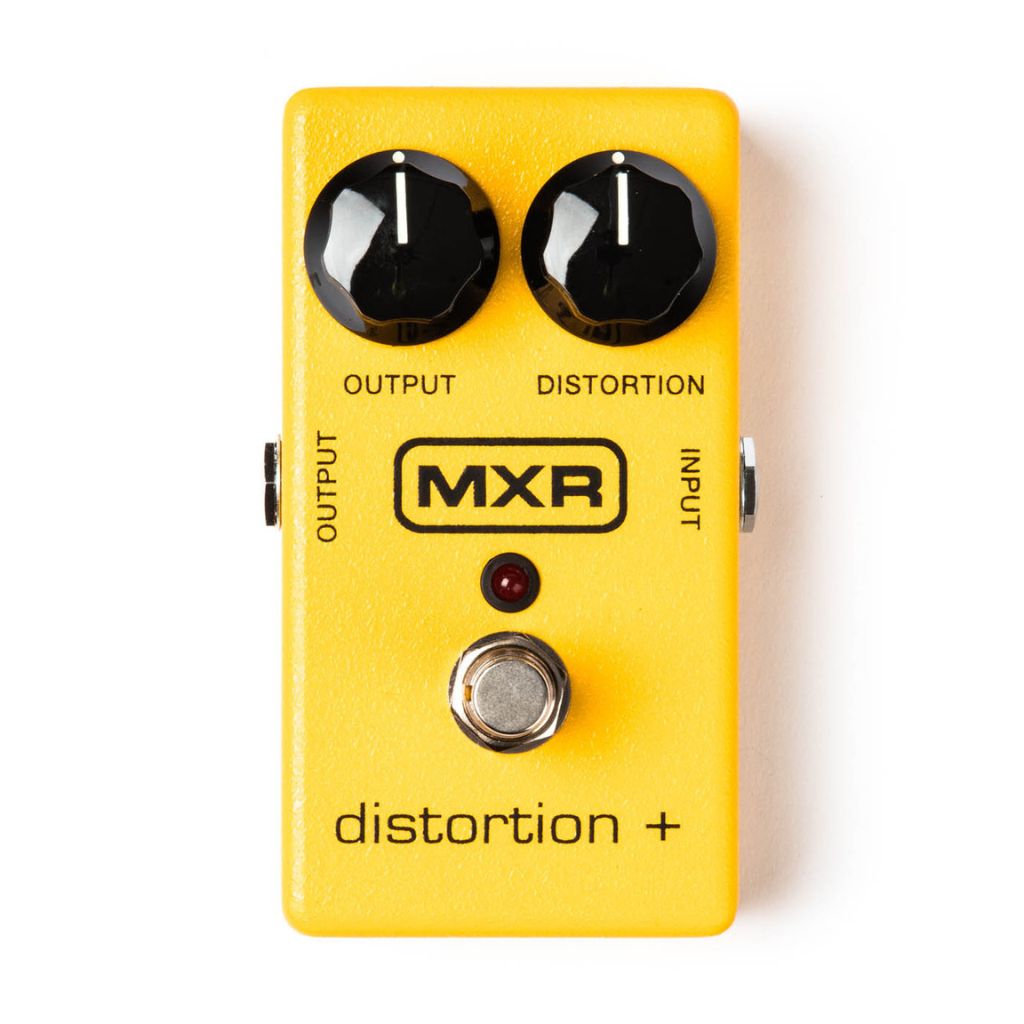
$89
One of the first distortion pedals ever made. Simple two-knob design beloved by Randy Rhoads and Jerry Garcia.
Pros
- ✓Classic vintage tone
- ✓Dead simple controls
- ✓Compact size
Cons
- ✗Limited tonal range
- ✗No tone knob
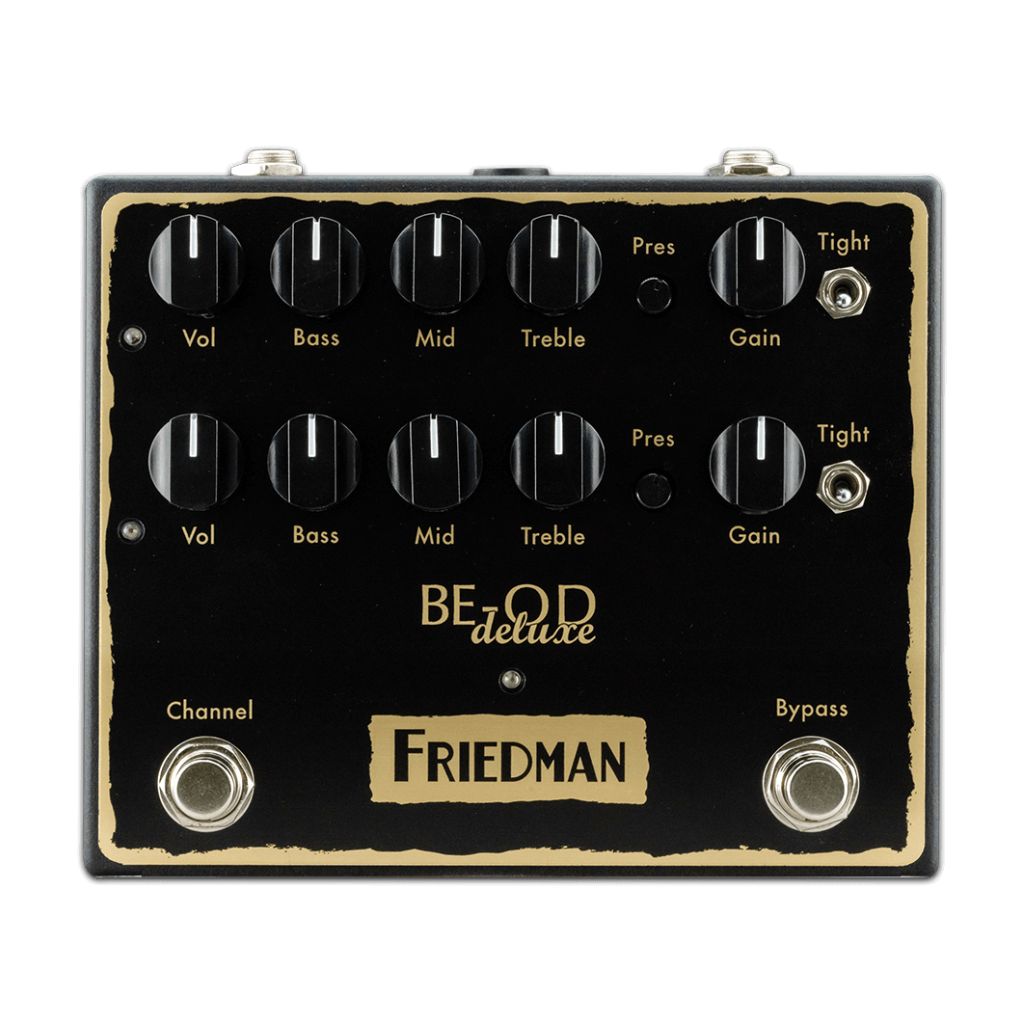
$189
Captures the legendary Friedman BE-100 amp tone in a pedal. From classic crunch to searing high-gain lead tones.
Pros
- ✓Incredible amp-like feel
- ✓Wide gain range
- ✓Tight low-end control
Cons
- ✗Pricey
- ✗Can be harsh at extreme settings
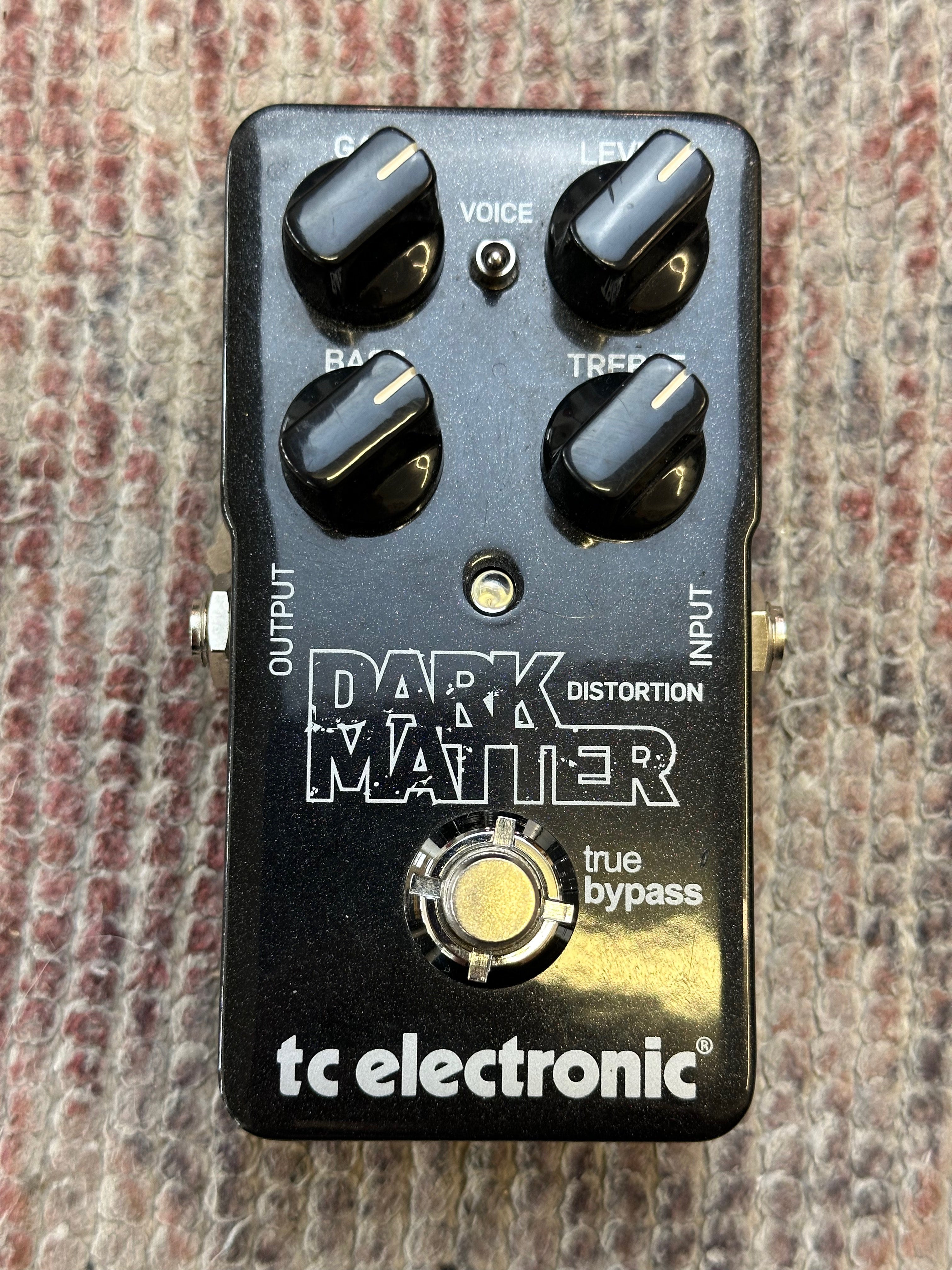
$49
Versatile distortion with a voice switch for extra tonal range. From warm crunch to aggressive high-gain.
Pros
- ✓Great value
- ✓Voice switch adds versatility
- ✓Quiet operation
Cons
- ✗Not the most unique tone
- ✗Plastic knobs

$110
The Boss DS-2 Turbo Distortion expands on the classic DS-1 with two modes: Mode I covers familiar flat-EQ distortion, while Turbo Mode II pushes a thick mid-range boost ideal for leads. A remote jack lets you switch modes hands-free. Trusted by Kurt Cobain, Joe Walsh, and John Frusciante.
Pros
- ✓Two distinct distortion modes
- ✓Mid-boosted Turbo II is great for leads
- ✓Remote mode-switching jack
- ✓Roadworthy Boss build
Cons
- ✗Eats batteries quickly — use an adapter
- ✗Can sound fizzy at extreme settings
- ✗Buffered bypass, not true bypass
Frequently Asked Questions
What is the best Distortion pedal for beginners?
For beginners, look for a distortion pedal that's affordable, durable, and easy to dial in. The pedals listed above are all excellent starting points — check the ones marked "beginner" for the most approachable options.
Where does a Distortion pedal go in the signal chain?
Distortion pedals are typically placed in a specific position in your signal chain to get the best tone. Check the Signal Chain Position card above for the recommended placement.
Can I use a Distortion pedal with any guitar and amp?
Yes — distortion pedals work with any electric guitar and amp combination. That said, the results will vary depending on your gear. Tube amps tend to respond especially well to most effects.
Do I need to use true bypass Distortion pedals?
True bypass preserves your tone when the pedal is off, but buffered bypass can actually help maintain signal integrity in long pedal chains. Both are valid — it depends on your rig and preferences.
How much should I spend on a Distortion pedal?
You can get a great distortion pedal for $50–$150. Boutique options go higher, but the law of diminishing returns kicks in fast. The pedals in our comparison table represent the best value at each price point.


